

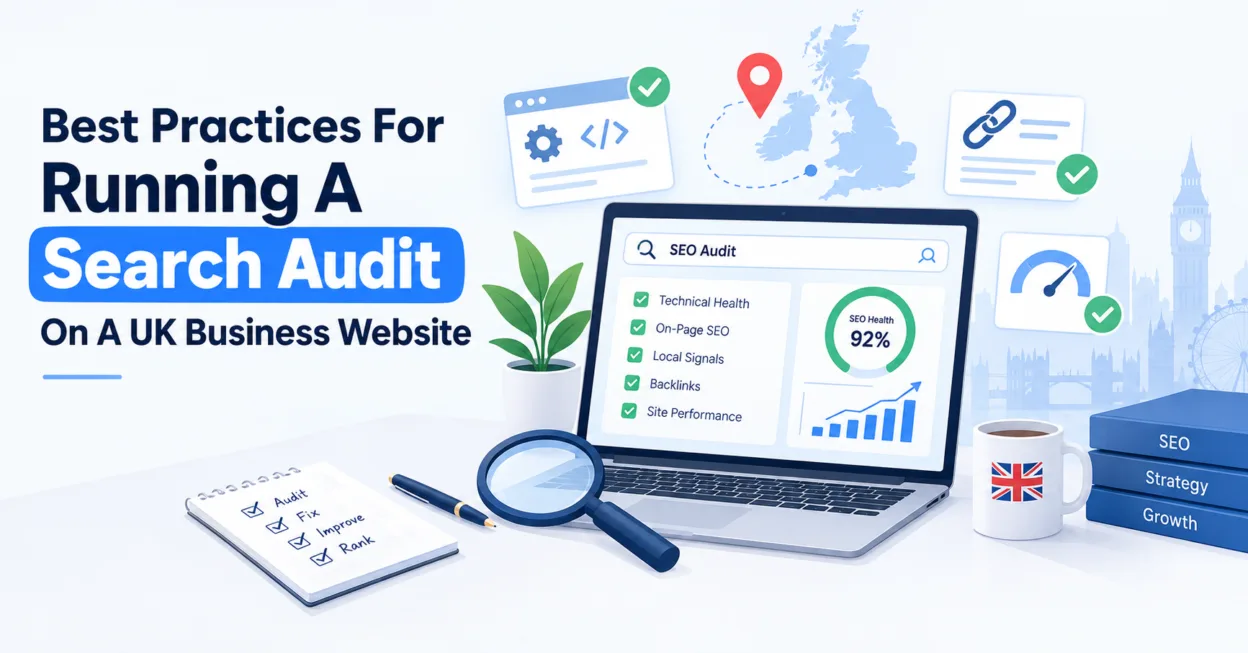
Running a proper search audit is the most reliable way to figure out why your digital performance is stalling. Many business owners throw money at random marketing tactics without actually knowing where their site is dropping the ball. Running your site through a trusted seo report card tool gives you an immediate, realistic baseline of your technical health and ranking potential. Once you have those core numbers in front of you, fixing issues becomes a clear step-by-step process rather than a guessing game. Taking the time to evaluate your site properly sets up every future optimization effort for genuine success.
Crawling Technical Foundations
Start by scanning your website for deep technical bugs that stop search engine crawlers from indexing your pages properly. Look out for the following:
- broken internal links
- accidental canonical tags
- incorrect redirect chains
All of these seemingly small things just waste your crawl budget. You also need to confirm that your XML sitemap is completely accurate and submitted directly inside Google Search Console without errors.
A solid technical structure ensures that every piece of content you publish actually stands a chance of ranking. If search bots hit dead ends or slow server responses, your visibility plummets regardless of how great your written content is. Clear out these backend roadblocks first before moving on to higher-level marketing strategies.
Evaluating Local UK Signals
If you want search engines to rank your UK business locally, you need to give them clear geographic signals. Here is where to focus:
- Keep your contact details identical: Check that your name, UK address, and local phone number match down to the last letter across every directory listing.
- Localization on the page: Stick strictly to British English spellings, list prices in pounds (£), and mention the specific cities or regions you serve on main landing pages.
- Optimize for local load times: Host your site on a server near your audience or use a good CDN to keep page loads fast for UK visitors.
- Build local links: Get listed in well-regarded UK business directories to build solid geographic trust with search algorithms.
Analyzing On-Page Relevance
On-page evaluation requires reviewing how well your target keywords match the actual search intent of your audience. Open up your top landing pages and review your title tags, meta descriptions, and header hierarchy to make sure they are direct and focused. Avoid forcing terms where they do not naturally fit, as readers and modern algorithms quickly spot unnatural keyword stuffing.
Evaluate the actual quality and depth of the content on your key pages. Check to see if they do the following:
- Genuinely answer user questions
- Internal links connect logically between related topics so visitors stay engaged
- Navigation is easy so users explore more of your site
Clear, helpful content that satisfies search query intent always outperforms thin pages stuffed with outdated key phrases.
Assessing User Experience And Speed
If your site is slow or awkward on a phone, you’re losing money. It really is that simple. Most UK web browsing now happens on smartphones, so if a page takes forever to load or jumps around while someone tries to click, they won’t wait—they’ll head straight to a competitor.
To keep potential clients on your page and convert them into sales, focus on three straightforward fixes:
- Run a performance check: Test your Core Web Vitals on both mobile and desktop to spot oversized images, annoying popups, or layout shifts that frustrate users.
- Trim the technical bloat: Compress large image files and delete unnecessary background scripts dragging down your load speeds.
- Simplify your menus: Make sure visitors can reach your services or contact page in two quick taps.
When your site feels fast and effortless to navigate, people stick around. That smooth experience doesn’t just drive more sales—it signals to search engines that your site is worth ranking higher.
Reviewing Backlinks And Authority
Unnatural links are the fastest way to wreck your search rankings. A few genuine mentions from trusted sites will build your credibility, but a pile of spammy, low-quality links signals to search engines that your site can’t be trusted.
To protect your domain authority and keep your rankings growing, stick to three core steps:
- Audit your current links: Export your full backlink list using an analytics tool and review every site pointing to you.
- Ditch the toxic networks: Spot and flag spammy, automated, or irrelevant links that could trigger a Google penalty.
- Focus on quality outreach: Build real relationships with reputable UK industry sites and local blogs instead of wasting time on low-tier directories.
Regularly cleaning up your link profile keeps your digital reputation safe—so all the hard work you put into ranking high actually stays that way.
Final Word
Performing a thorough audit gives you the exact blueprint needed to boost your search presence and outshine your competitors. Plugging your domain into an seo report card tool highlights immediate technical errors and gives you a clear path toward better rankings. Addressing technical bugs, local relevancy, and page performance transforms your site into a reliable lead generation engine. Consistent checkups ensure your business stays visible, trustworthy, and ready to capture local customer demand.